
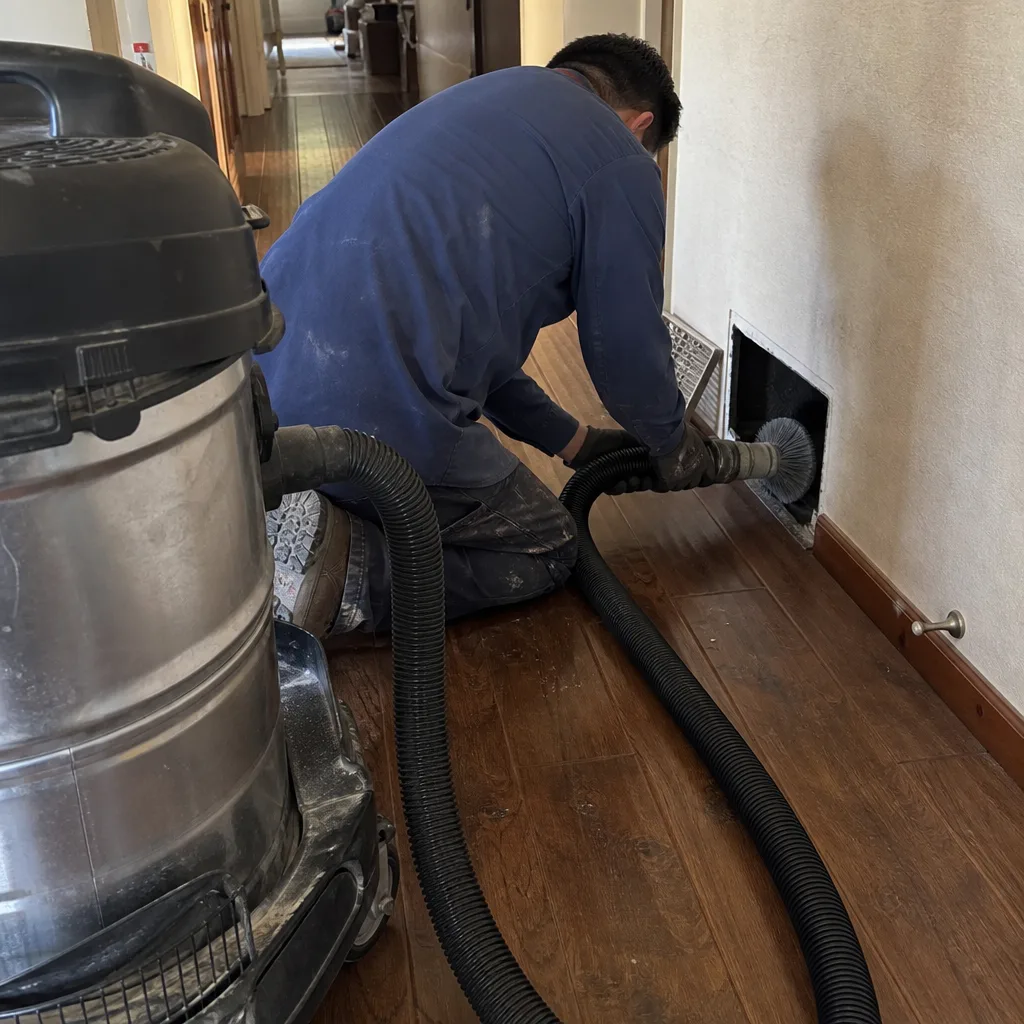
Last updated November 2, 2026
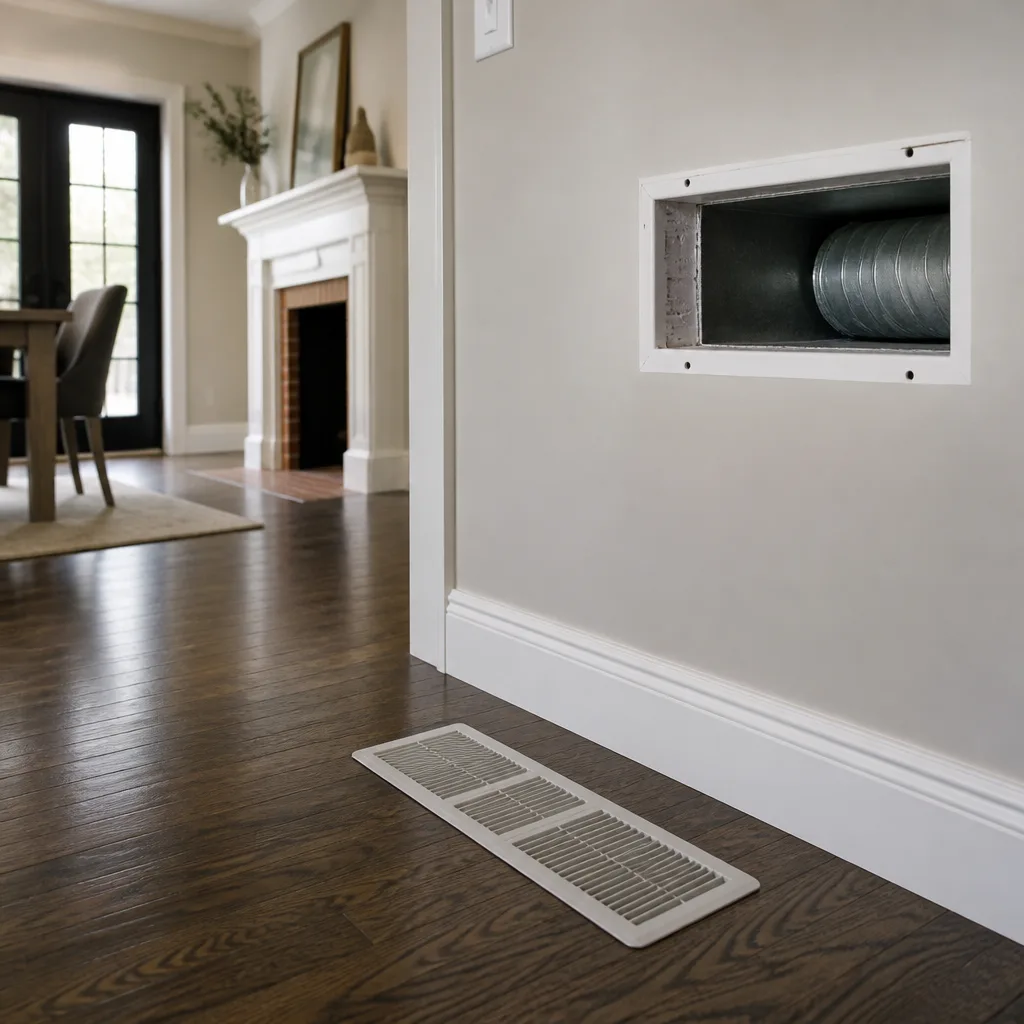 Whole-home duct cleaning
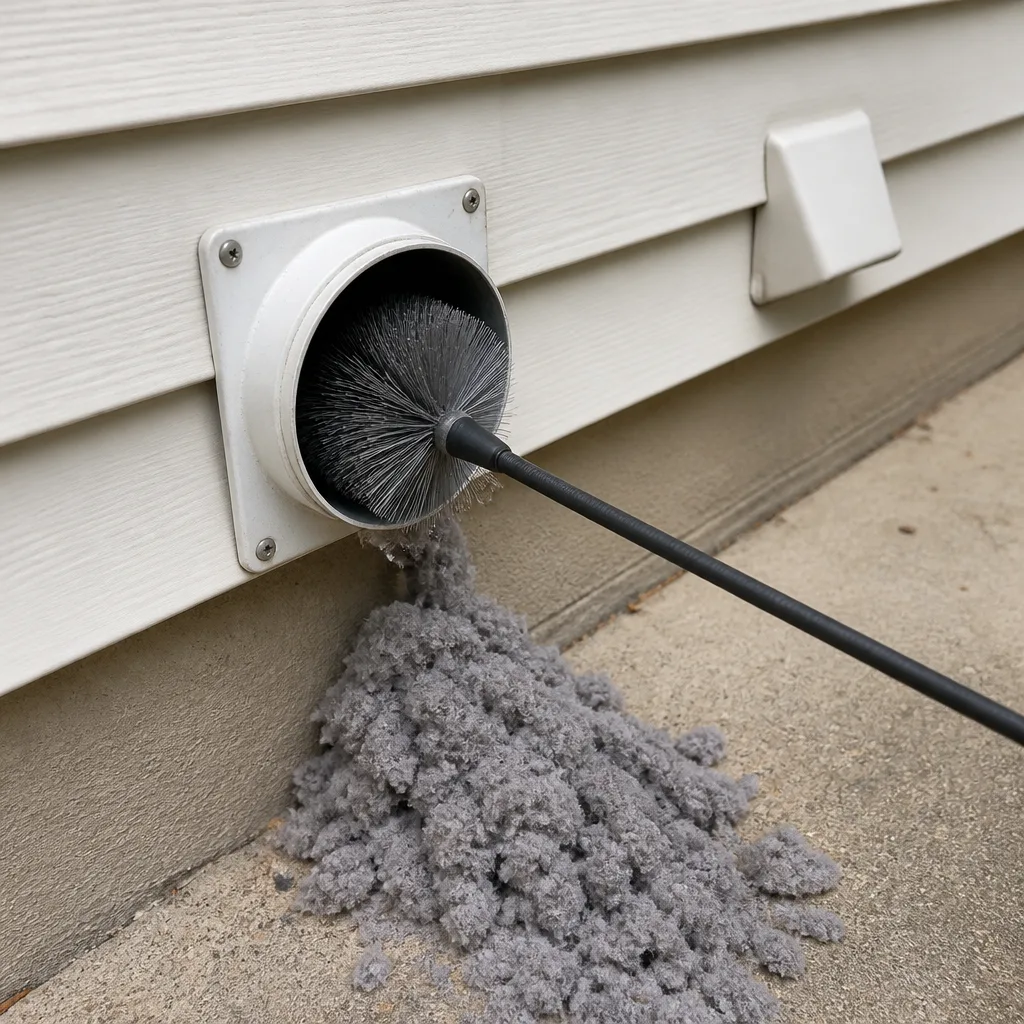 Dryer vent cleaning
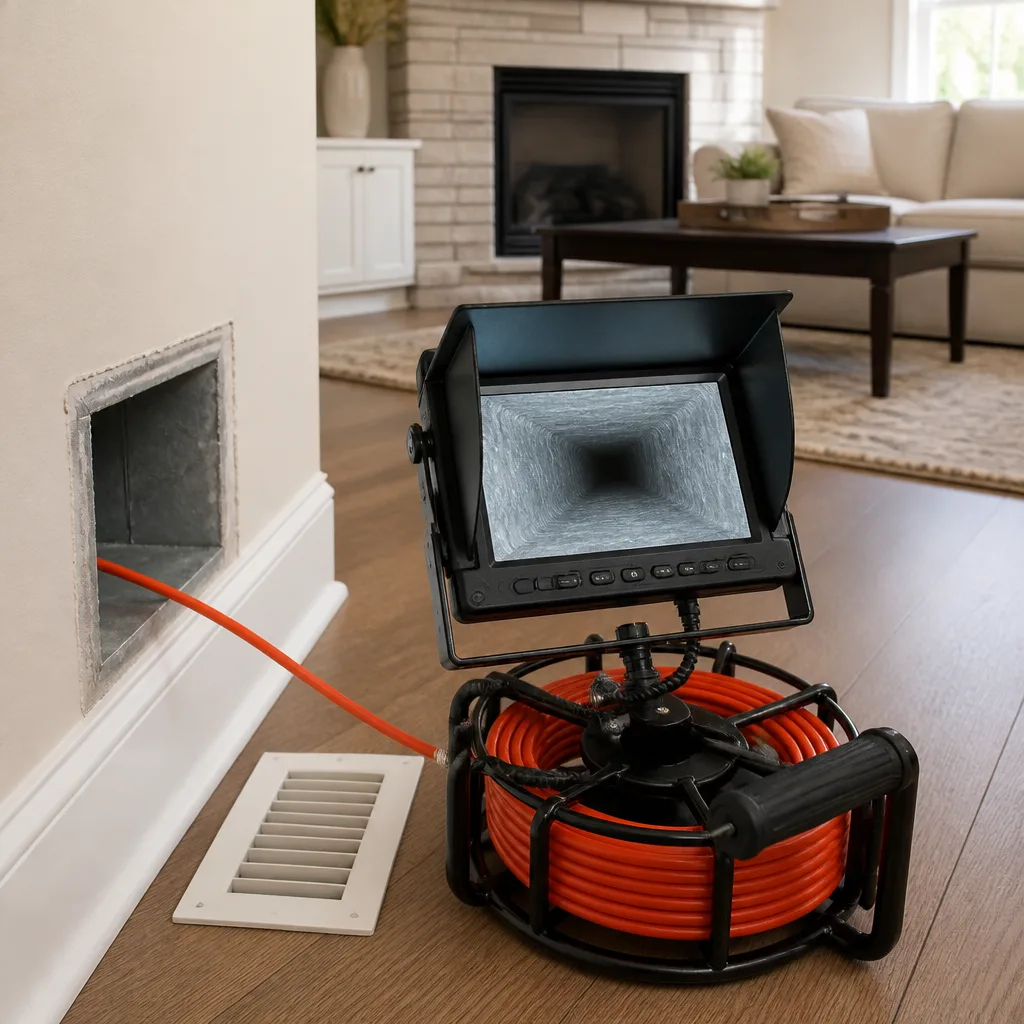 Camera inspection
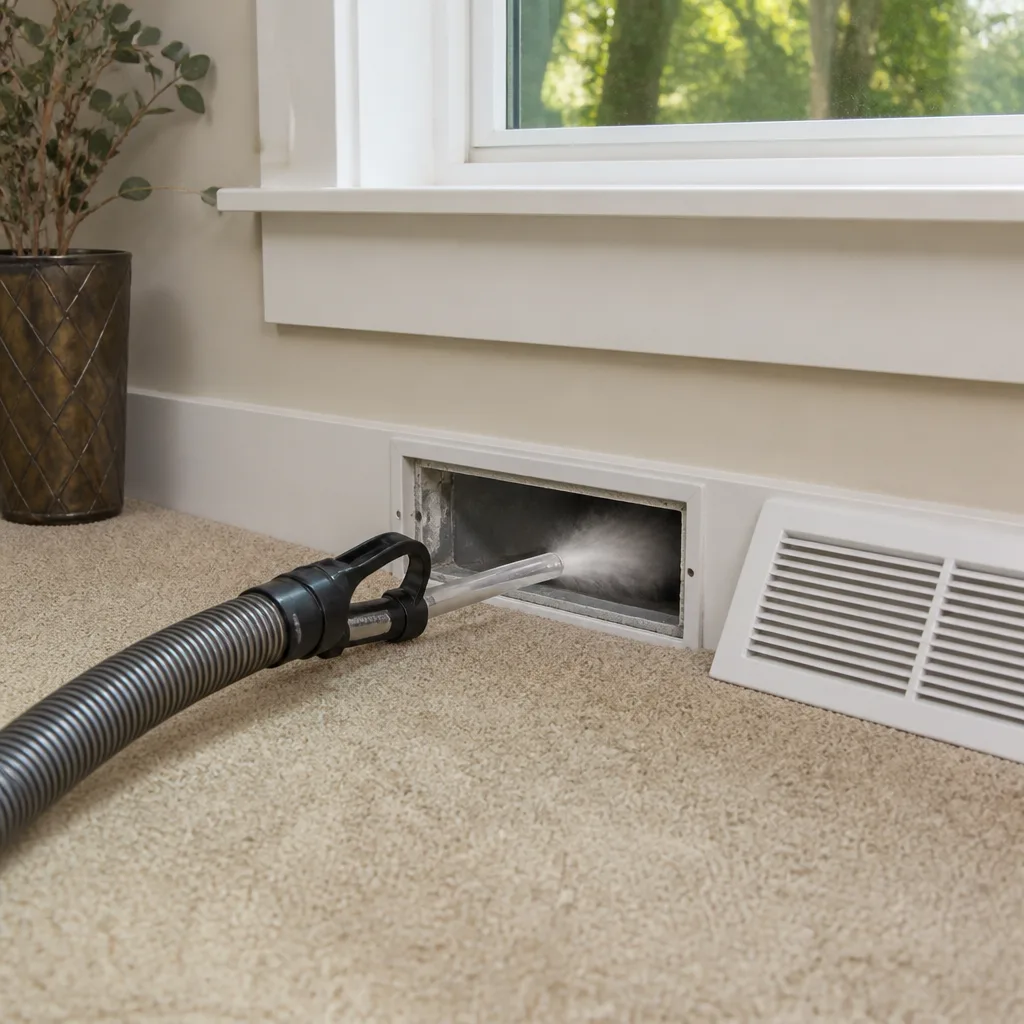 Sanitizing & deodorizing
Whole-system duct and dryer vent check with before-and-after photos - you see exactly what came out of your vents
That "$99 whole-house special" is a bait ad - the real number appears once they are in your hallway, or the "clean" is a shop-vac at the register. We photograph the inside of your ducts before and after instead.
How to Hire an Air Duct Cleaning Contractor in Downey: A Step-by-Step Guide
The average homeowner in Downey will spend somewhere between $285 and $490 on a legitimate whole-system air duct cleaning. The $99 coupon offers that show up in your mailbox? Those crews can’t afford to run the equipment a real clean requires. Something gets skipped, and it’s usually the part of your ductwork you can’t see. This guide walks you through exactly how to separate a serious full-system contractor from a vacuum-and-brush operation, what questions reveal the most before you book, and how to read what actually happens during the Air Duct Cleaning service call. We’ve worked on duct systems throughout Downey, from the 1950s ranch houses north of Firestone Boulevard to newer tracts near Stonewood Center, and the same hiring principles apply everywhere.
Styles & brands we work with
- Whole-home duct cleaning
- Dryer vent cleaning
- Camera inspection
- Sanitizing & deodorizing
Quick Answer
To hire an air duct cleaning contractor in Downey, you need to verify four things before booking: the type of equipment they use (professional negative-air systems, not shop vacs), whether they include a camera inspection, how they structure pricing (flat-rate whole-system, not per-vent), and whether their insurance covers mold remediation if it’s discovered mid-job. A contractor who passes those four filters will almost certainly do the job correctly.
Table of Contents
- Why Downey Ductwork Gets Dirtier Than You’d Expect
- The Licensing Reality in Southern California: Why Hiring Falls on You
- The Four Questions to Ask Before Scheduling
- What NADCA Membership Actually Means (And What It Doesn’t)
- How to Read a Quote: Line-Item vs. Flat-Rate Pricing
- Red Flags During the Service Call Itself
- How to Verify Insurance and What It Should Cover
- Common Mistakes to Avoid
- When to Call a Professional
- Frequently Asked Questions
- The Bottom Line
Why Downey Ductwork Gets Dirtier Than You’d Expect
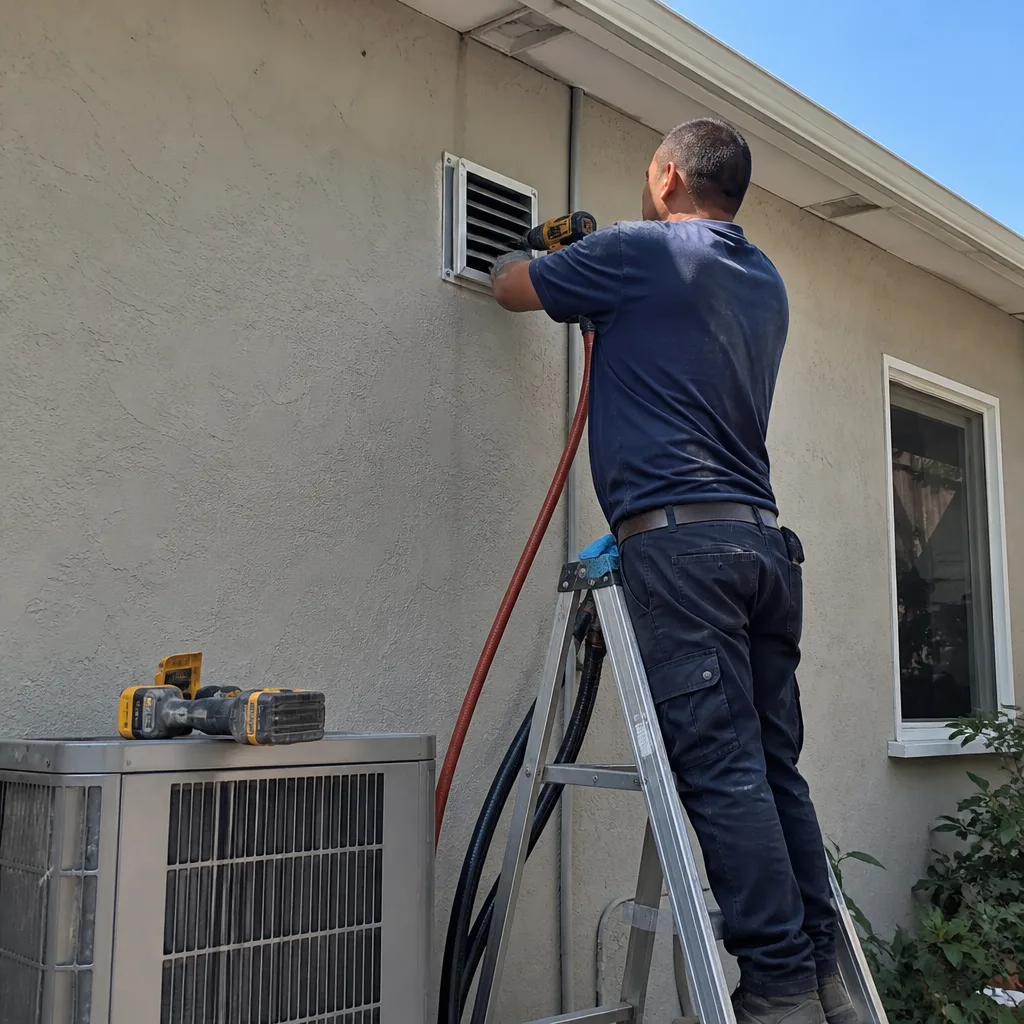
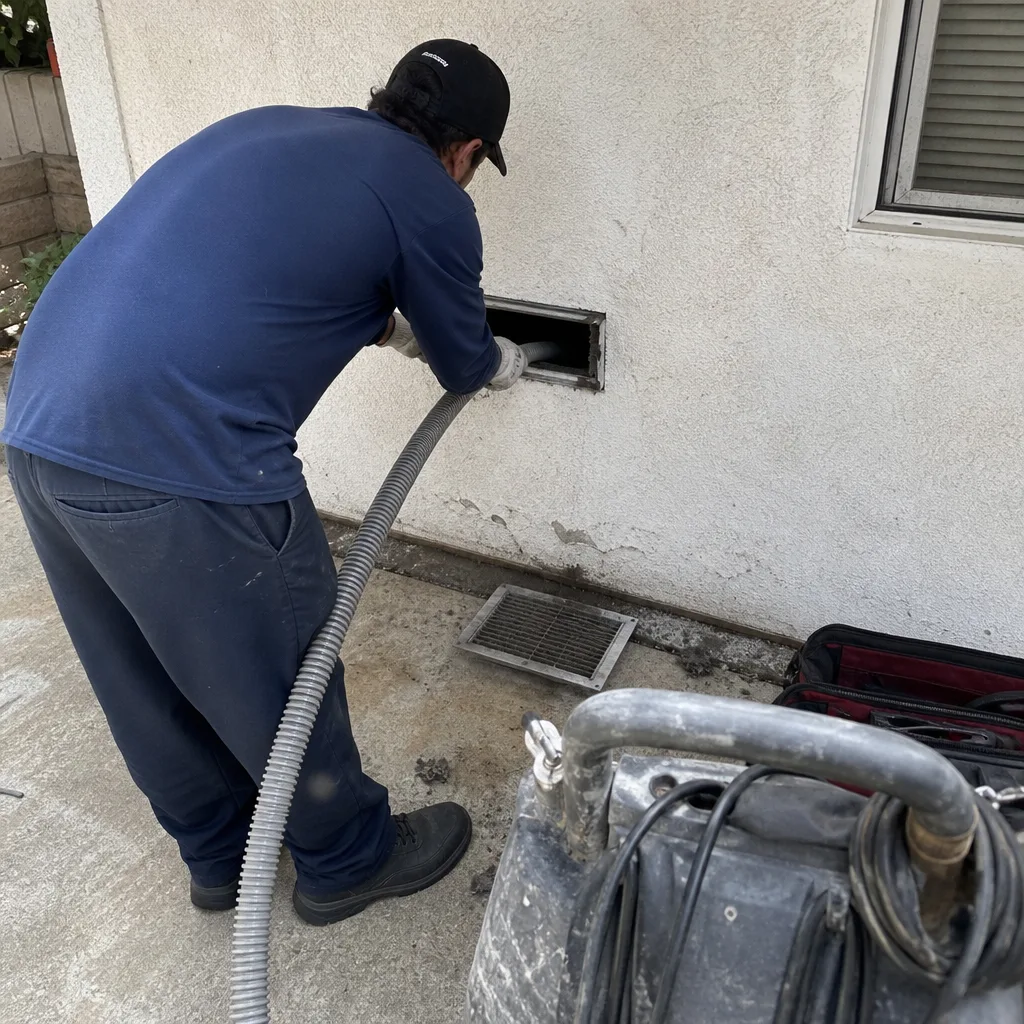
Downey sits in the Los Angeles Basin, where the marine layer and inland heat create a dust cycle that most homeowners underestimate. The 605 and 105 freeways bracket the city, which means fine particulate matter from brake dust and tire wear settles into homes continuously. Add in the Santa Ana wind events that push dry, dusty air through the region each fall, and your return ducts are pulling in more airborne debris than a house in, say, coastal Orange County would see. None of this is a reason to panic. But it does mean that duct cleaning in Downey is a task where the quality of the work directly correlates with the equipment being used. A thin film of LA Basin dust responds well to professional negative-air systems from brands like Rotobrush and Nikro. It does not respond well to a crew running a repurposed carpet-cleaning machine.
We’ve pulled apart return plenums in Downey homes where decades of fine gray silt had accumulated along the bottom of the duct, mixed with construction debris from original builds and at least one surprising discovery involving a child’s toy from the early 1980s. The point: this is a city where ductwork earns its cleaning honestly. The homes are older on average, many with original HVAC runs that have never been accessed. That’s not a problem for a properly equipped contractor. It’s a serious problem for one that shows up with a single vacuum and a rotating brush that reaches about six feet past the register.
For a deeper look at how full-system cleaning works on the residential side, see our guide to Air Duct Cleaning in Downey.
The Licensing Reality in Southern California: Why Hiring Falls on You
Here’s the uncomfortable truth about the air duct cleaning industry in California: there is no specific state license required to clean air ducts. A general contractor’s license covers HVAC installation and modification, but duct cleaning as a standalone service sits in a gray area. The Contractors State License Board does not issue a “duct cleaning” credential. That means the barrier to entry is a van, a vacuum, and the willingness to print flyers. Plenty of legitimate operators exist, but the absence of a licensing gate means you, the homeowner, are the only real quality-control mechanism in the process.
This is why the questions you ask before booking matter more than any online review. A five-star review from a neighbor who doesn’t know what a return plenum looks like tells you almost nothing about whether the ducts were actually cleaned. Reviews measure customer service, punctuality, and friendliness. They do not measure whether the return side of the system was accessed, whether negative pressure was maintained during cleaning, or whether the crew sealed registers before agitating debris. Those are the things that determine whether you got what you paid for.
In Downey specifically, we see many homes with original ductwork from the 1950s and 1960s construction boom. These systems are often undersized by modern standards, which means airflow is already compromised. A cleaning that leaves debris behind makes an existing problem worse. The hiring decision is effectively your only quality gate, and it’s one most homeowners don’t know they’re standing at.
The Four Questions to Ask Before Scheduling
These four questions will separate a professional contractor from a one-tool operation faster than any other filter. Ask them in order, and write down the answers. A contractor who hesitates on any of them is telling you something.
- “What type of equipment do you use, and does it create negative pressure in the system?” A legitimate full-system cleaning uses a negative air machine or truck-mounted vacuum that pulls air through the ductwork at high CFM while agitation tools loosen debris. Equipment brands like Rotobrush and Nikro are industry-recognized names built specifically for duct cleaning. If the answer is “we use a really powerful vacuum,” that’s a red flag. You want to hear about CFM ratings, not adjectives.
- “Do you include a camera inspection before and after the cleaning?” A crew that doesn’t inspect the ducts before cleaning is working blind. They can’t know if there’s mold, pest debris, or duct damage requiring different tools or procedures. And if they don’t show you after photos, you have no verification the work was done. Camera inspection is the single most important accountability measure in this industry.
- “How do you price the job, and what’s included in that price?” A flat-rate price for the whole system, quoted before work begins, is the honest structure. Per-vent pricing creates an incentive to work faster and skip the areas nobody sees. If the quote depends on counting registers when the crew arrives, you’re looking at an estimate that will grow. More on this below.
- “What happens if you find mold or damaged ductwork during the cleaning?” A good contractor has a plan: they stop, document, and present options. A bad contractor either ignores it (because they’re not equipped to handle it) or uses the discovery as leverage for a massive upsell. The right answer includes the word “documentation” and some mention of remediation-aware procedures. See our page on Air Duct Repair in Downey for what proper repair looks like.
What NADCA Membership Actually Means (And What It Doesn’t)
NADCA, the National Air Duct Cleaners Association, is the closest thing this industry has to a professional standard. Members agree to follow the organization’s technical standards, which define proper cleaning procedures, equipment requirements, and post-job verification. That’s genuinely valuable. NADCA’s ACR (Assessment, Cleaning, and Restoration) standard is the document a serious contractor references when explaining their process.
But here’s what NADCA membership does not guarantee: it doesn’t guarantee the crew that shows up at your door has any experience. It doesn’t guarantee the company hasn’t hired subcontractors who weren’t trained to the standard. It doesn’t guarantee the specific job in your home will be done correctly on the day of service. Membership signals that a company has committed to industry standards, but it’s a paper commitment, not a field inspection. In practice, we’ve seen NADCA-listed companies dispatch crews that skip the return side of the system entirely because the homeowner wouldn’t know the difference.
Use NADCA membership as a filter, not a guarantee. A contractor who is NADCA-certified and also answers the four questions from the section above correctly is very likely a legitimate operation. A contractor who invokes NADCA membership like a get-out-of-scrutiny-free card deserves more scrutiny, not less. The certification is useful context. The equipment on the truck matters more.
How to Read a Quote: Line-Item vs. Flat-Rate Pricing
The structure of a quote tells you more about a contractor’s incentives than the total number does. Two quote structures dominate this industry, and they pull contractors in opposite directions.
Per-vent or line-item pricing charges a set amount per vent or register, often with extra charges per return, per branch, and per “room.” The total depends on how many vents the technician counts when they arrive. This structure incentivizes speed. The faster the crew finishes each vent, the more jobs they complete per day. It also invites on-site price inflation: a home quoted at $199 “for up to 10 vents” becomes $385 once the 13th vent is counted, plus a return-side surcharge, plus a “deep clean” upgrade. The low number in the ad only exists to get the van in the driveway.
Flat-rate whole-system pricing quotes one number for cleaning the entire duct system, including supply and return sides, the main trunk lines, and branch runs. The price is agreed before work begins and does not change based on how long the job takes or how many vents are in the home. This structure incentivizes thoroughness: the contractor has no reason to rush, and the homeowner has no surprise charges waiting at the end.
In Downey, the honest flat-rate range for a whole-home cleaning on a typical 1,500 to 2,200 square foot home runs between $300 and $500, depending on system size and complexity; see our Air Duct Cleaning Cost Breakdown: The Downey Homeowner’s Reference for 2026 for full details. Homes with two systems or unusual duct layouts run higher. Anything below that range on a flat-rate basis means equipment is being cut. Anything structured per-vent means the final bill is unlikely to match the quoted one.
Red Flags During the Service Call Itself
You’ve asked the right questions, you’ve read the quote, and the crew has arrived. The hiring decision doesn’t end there. What happens during the service call determines whether you got the cleaning you paid for, and there are specific behaviors that signal a crew is cutting corners.
- Nobody asks where the return side is located. A full-system cleaning must access both the supply registers and the return air side. If the crew only works at visible vents and never locates the main return grille or the air handler, they’re cleaning half the system. This is the most common shortcut in the industry because most homeowners never think about the return plenum.
- Registers are not sealed during agitation. Proper cleaning method couples agitation (brushes, air whips, skipper balls) with negative pressure so loosened debris is pulled to the vacuum, not pushed into your living room. If the crew isn’t sealing off registers they’re not actively working on, they’re creating an airborne-dust event in your home.
- The technician can’t tell you the CFM rating of their vacuum. CFM (cubic feet per minute) measures how much air the negative-air machine moves. A professional system moves 1,200+ CFM through the ducts. A portable carpet cleaner moves a few hundred and can’t create system-wide negative pressure. A technician who can’t answer this question is running equipment they don’t understand.
- No before-and-after camera footage is offered. A contractor running a camera inspection will want to show you what they found. If the crew finishes and hands you an invoice with no photos, you have no way to verify that the main trunk line was actually accessed. Insist on seeing the after images, especially of the return side.
- The entire job takes under an hour. A legitimate whole-system cleaning on a typical Downey home takes two to four hours, sometimes longer for larger or heavily contaminated systems. If the crew is packing up after 45 minutes, they did a vent-and-vacuum pass, not a duct cleaning.
For a detailed walkthrough of what a proper cleaning should include, see our Duct Cleaning Downey home page.
How to Verify Insurance and What It Should Cover
Insurance verification is the step most homeowners skip, and it’s the step that matters most if something goes wrong. A contractor’s general liability policy covers property damage and some forms of bodily injury. But duct cleaning carries a specific risk profile that standard policies don’t always address, namely what happens if mold is discovered during cleaning.
Here’s the scenario: the crew removes a return grille in a Downey home and finds visible mold growth on the duct interior. They’ve now potentially disturbed a contaminant, and if they don’t have the right coverage, the homeowner is left with a partially cleaned system, a disturbed mold source, and a bill for remediation that no insurance policy will touch. We’ve heard versions of this story from homeowners throughout the LA Basin, and the outcome is never cheap.
Ask for a Certificate of Insurance directly from the contractor’s insurer, not just a photocopy from the company. Verify the following:
- The policy is active and the named insured matches the company name on your contract.
- General liability coverage is at least $1 million, which is the standard minimum for serious residential work.
- The policy includes or explicitly addresses mold remediation, or the contractor carries a separate pollution/mold endorsement. If mold is a possibility in your system (older Downey homes with a history of high-humidity summers should assume it is), this coverage matters.
- Workers’ compensation coverage is in place. A crew member injured in your home without workers’ comp coverage can create a claim against your homeowner’s policy.
An air duct cleaning contractor who carries remediation-grade insurance is more likely to also carry remediation-grade equipment. The two tend to travel together. A company running Abatement Technologies air-filtration equipment, the same category of gear used in environmental remediation, is signaling that they take contamination seriously rather than treating it as a surprise upsell. That’s the standard you want to see reflected in both hardware and coverage.
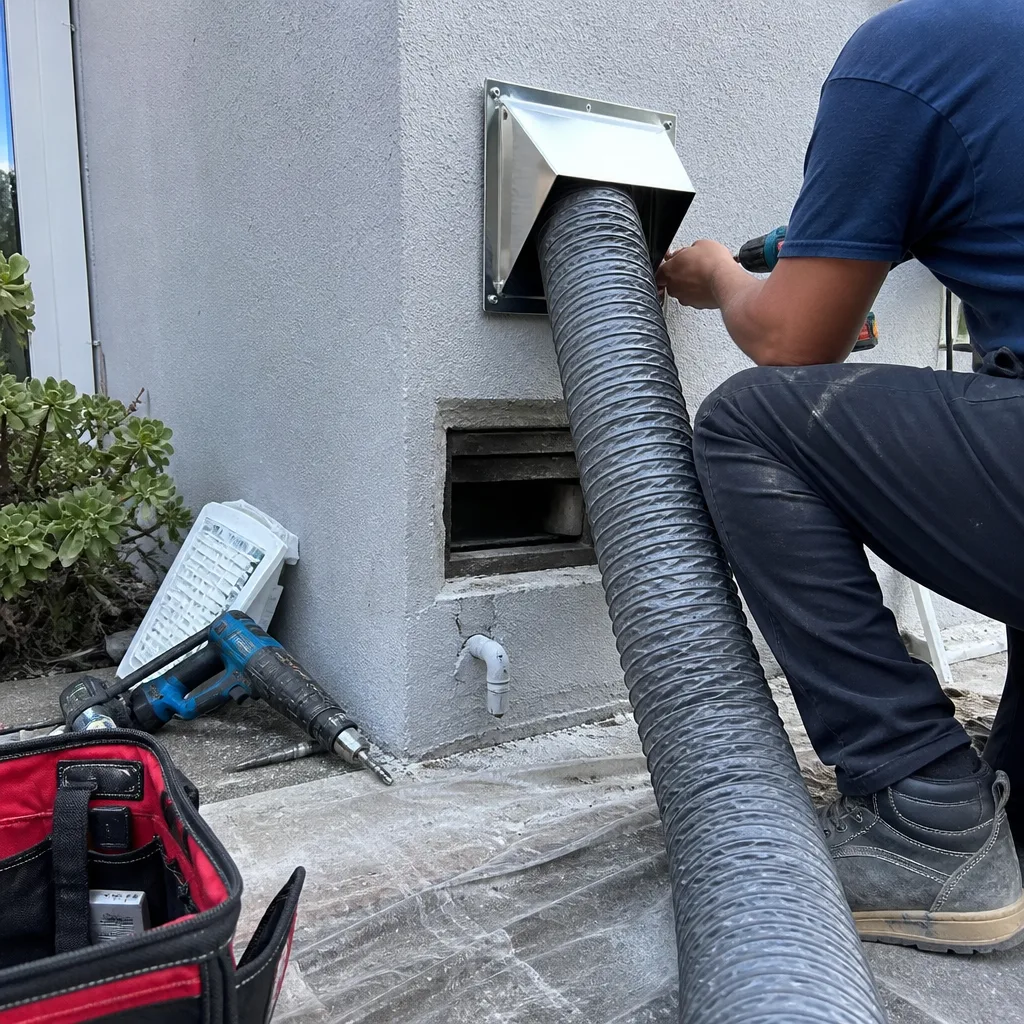
Our Dryer Vent Cleaning in Downey service covers the fire-risk side of ductwork, and the same insurance verification principles apply whether you’re addressing air quality or fire safety.
Common Mistakes to Avoid
- Hiring on price alone. The $99 whole-house offer in Downey will not produce a $400-quality clean. The economics don’t work. You’ll either get a partial clean plus aggressive upsells, or a crew that’s in and out before you can look up from your phone.
- Not asking for camera inspection. Without before-and-after footage, you are paying for a service you cannot verify was performed. Camera inspection is the industry’s only reliable accountability mechanism for the parts of the system you can’t reach.
- Accepting per-vent pricing without a capped total. Per-vent pricing on its own creates an incentive for speed and a bill that grows when the technician counts registers. If a contractor insists on per-vent structure, get a written cap on the total before work starts.
- Skipping insurance verification. The scenario described above is not rare. A crew that dislodges mold or damages aging ductwork without proper coverage leaves you holding the full cost.
- Assuming NADCA membership means a guaranteed good job. It’s a useful credibility signal, but it’s not field supervision. The crew at your house is the job, not the certificate on the website.
- Ignoring the return side. Homeowners focus on the visible supply registers because that’s what they see. But the return plenum is where fine dust accumulates in Downey homes, especially along the bottom of the main trunk. If the contractor doesn’t access it, the cleaning is incomplete.
- Not asking about what happens if problems are found. If the contractor has no plan for damaged ductwork or mold discovery, they’ll either ignore it (leaving a problem festering) or turn it into an open-ended upsell. A plan should be part of the pre-booking conversation.
When to Call a Professional
If you’ve noticed visible dust buildup on your registers, a persistent musty smell when the system cycles on, or rooms that stay dusty days after cleaning, those are signals that your ductwork is shedding particles into your living space. Allergy symptoms that improve when you leave the house also point toward duct-borne contaminants. Homes in Downey that have never had their ducts accessed, especially those built before 1980, are the strongest candidates for a first-time cleaning. If any of these apply to you, the next step is a free estimate with a contractor who answers the four questions correctly. Duct Cleaning Downey offers free estimates in Downey – call (855) 382-4683.
Frequently Asked Questions
A legitimate flat-rate whole-home air duct cleaning in Downey typically costs between $300 and $500 for a single-system home between 1,500 and 2,200 square feet. Homes with two HVAC systems or extensive duct runs can run higher. Any quote structured per-vent or priced below $200 for a whole home will likely produce a partial clean with upsells. Call (855) 382-4683 for an exact flat-rate quote on your specific system.
Cheaper quotes come from lower equipment costs and reduced labor time. A contractor running a portable vacuum and a brush attachment on a drill can quote $99 because their overhead is minimal and the job takes 45 minutes. But that equipment cannot create the negative air pressure required to extract loosened debris from the main trunk line, so the cleaning is cosmetic. A professional system from brands like Rotobrush or Nikro costs more to operate and takes two to four hours, which is reflected in the honest flat-rate pricing.
The only reliable verification is before-and-after camera footage of the inside of your ducts, specifically the return plenum and main trunk lines where dust accumulates. A professional contractor will offer these images without being asked. If a contractor cannot or will not show you the inside of your ductwork after the job, you have no way to confirm the work was performed.
For most Downey homes, every three to five years is the realistic interval, with the shorter end applying to homes with pets, recent renovation work, visible dust accumulation, or residents with significant allergy concerns; our Seasonal Air Duct Cleaning Care for Downey: Year-Round Homeowner’s Guide breaks down the ideal timing. A home that has never been cleaned and is 40 or more years old should have a first cleaning regardless of the calendar.
No. NADCA certification means the company has committed to industry technical standards, which is a meaningful signal, but it does not guarantee the crew dispatched to your home will follow those standards. Use NADCA membership as one filter among several, and rely more heavily on the four pre-booking questions and camera verification.
Stop the job, ask for photographic documentation, and confirm that the contractor’s insurance includes mold remediation coverage before any further work proceeds. A professional contractor will document the finding and present options without pressure. Disturbing mold without a remediation plan can make the problem significantly worse, so do not proceed with continued agitation until the situation is assessed. Call (855) 382-4683 to discuss what proper remediation-aware cleaning looks like in Downey.
The Bottom Line
Hiring an air duct cleaning contractor in Downey comes down to asking the right questions before you book and verifying the work after it’s done. For more guides & resources, visit our blog. The industry’s lack of a mandatory licensing gate means the quality of your outcome depends entirely on your diligence. Equipment matters, and professional-grade brands like Rotobrush and Nikro are what actually separate a real clean from a cosmetic one. Camera inspection is non-negotiable. Flat-rate pricing protects you from the bait-and-switch structure that plagues this trade. And if you find a contractor who can also repair compromised ductwork rather than just cleaning around it, you’ve found the kind of full-system operator most homeowners never will. Ask the four questions, verify the insurance, and demand the photos. If all three check out, you’ve found your contractor.
Written by the team at Duct Cleaning Downey, serving Downey since 2017.
See the difference
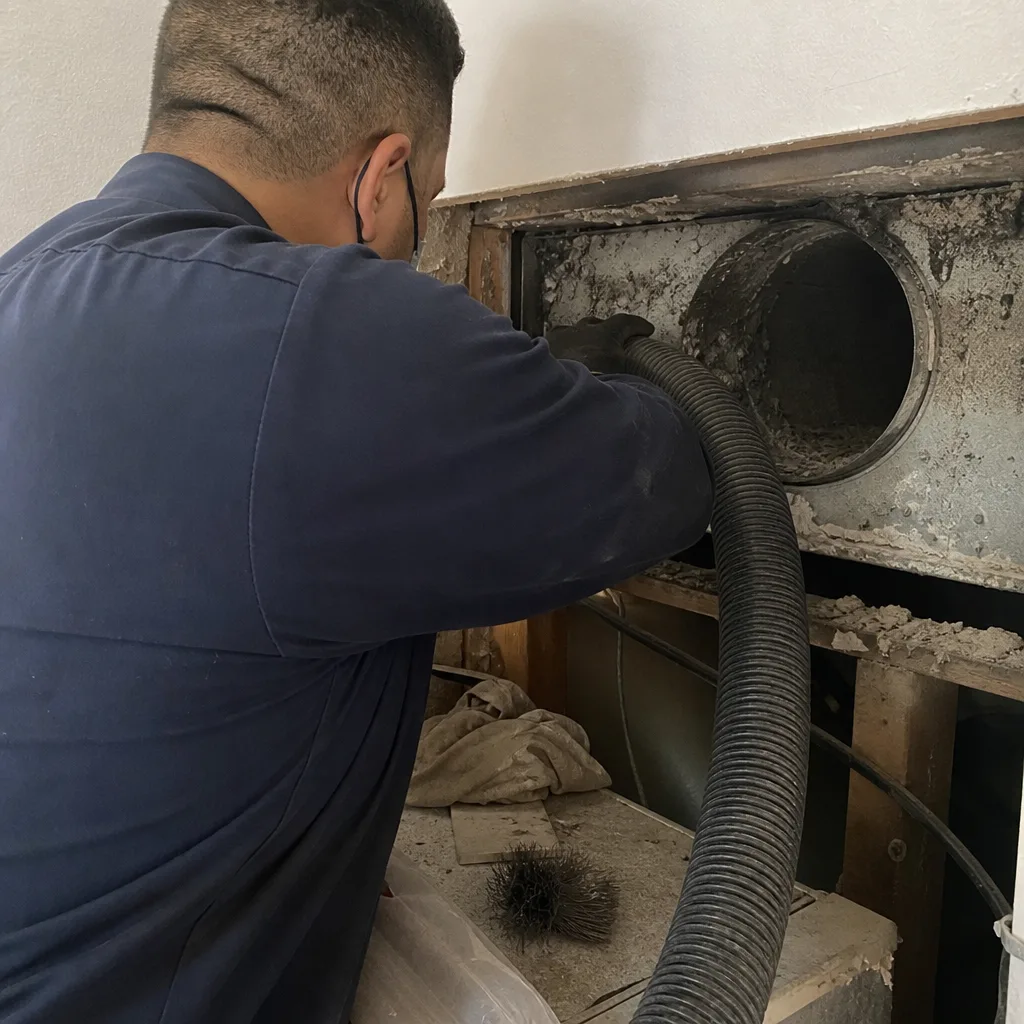 Before
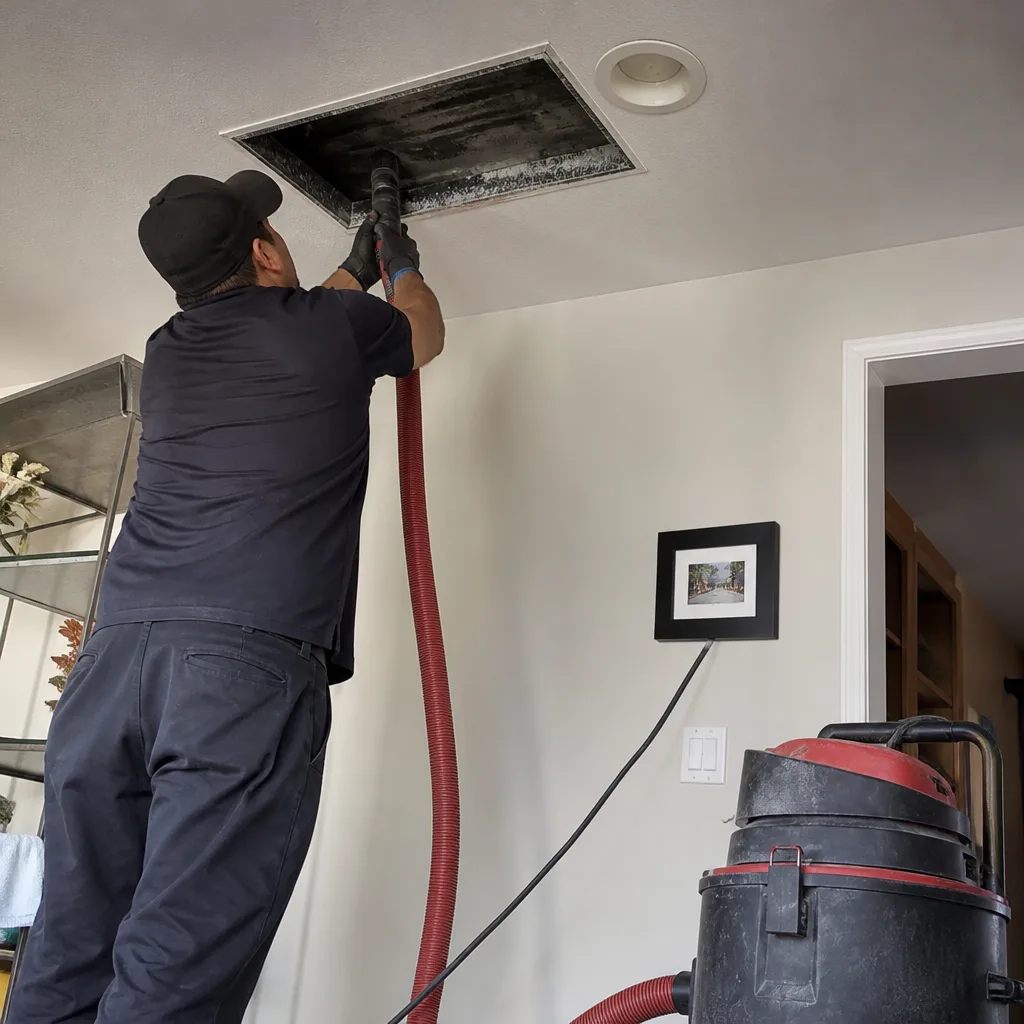 After
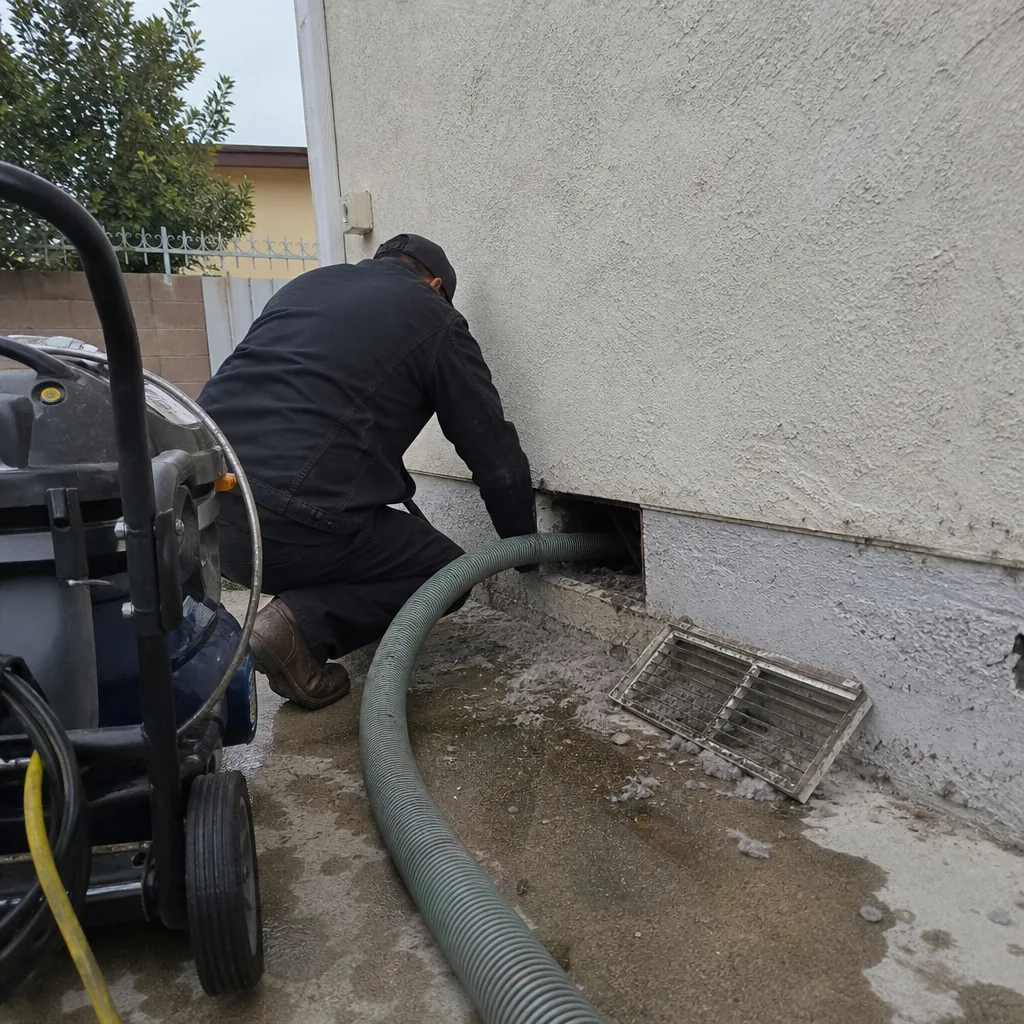 Before
 After
 Before
 After