
Last updated November 2, 2026
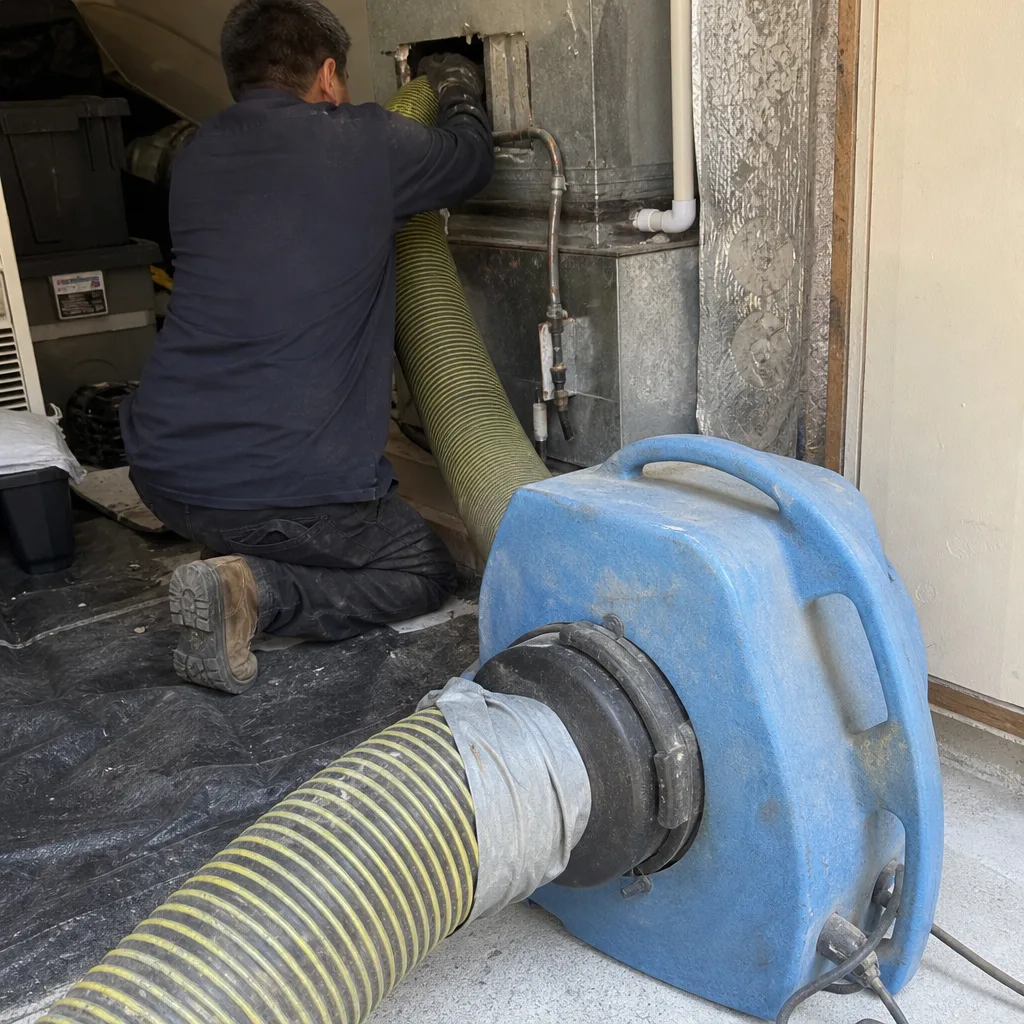
 Whole-home duct cleaning
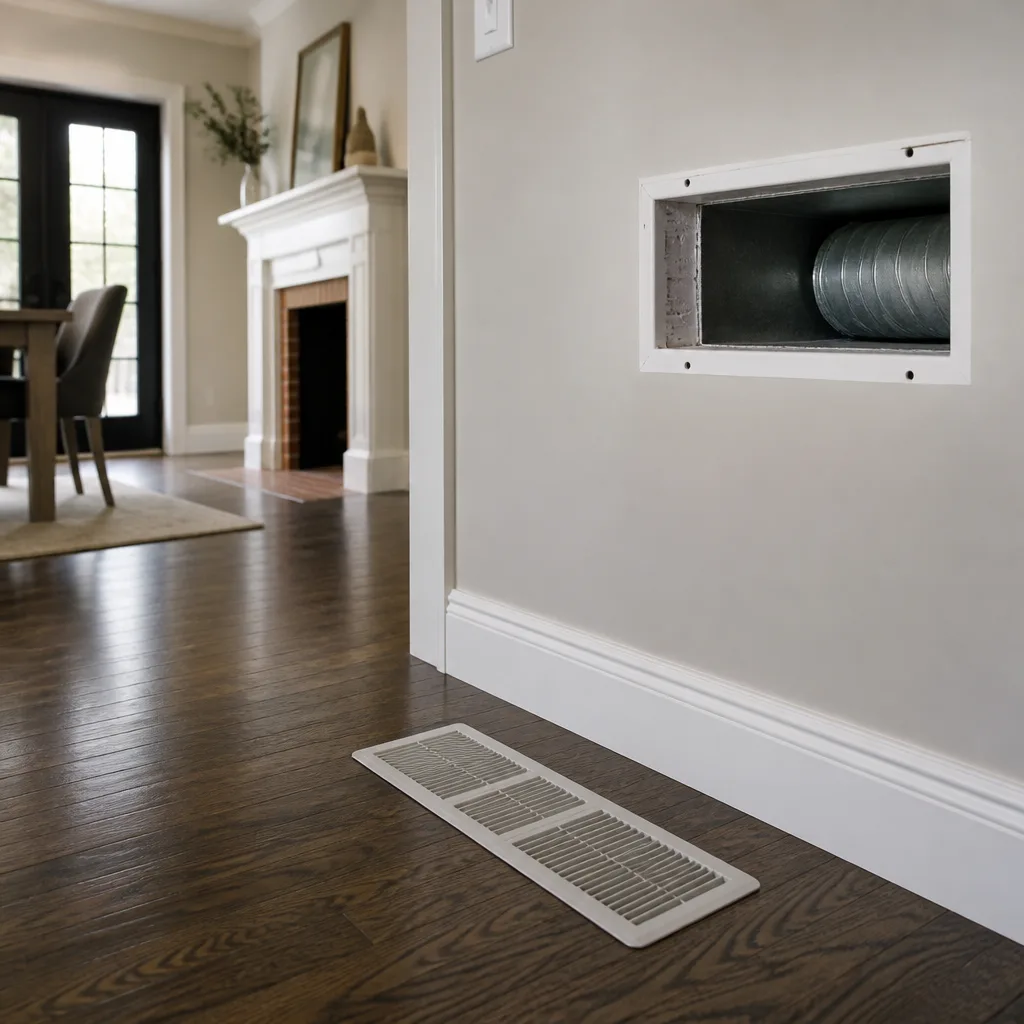
 Dryer vent cleaning
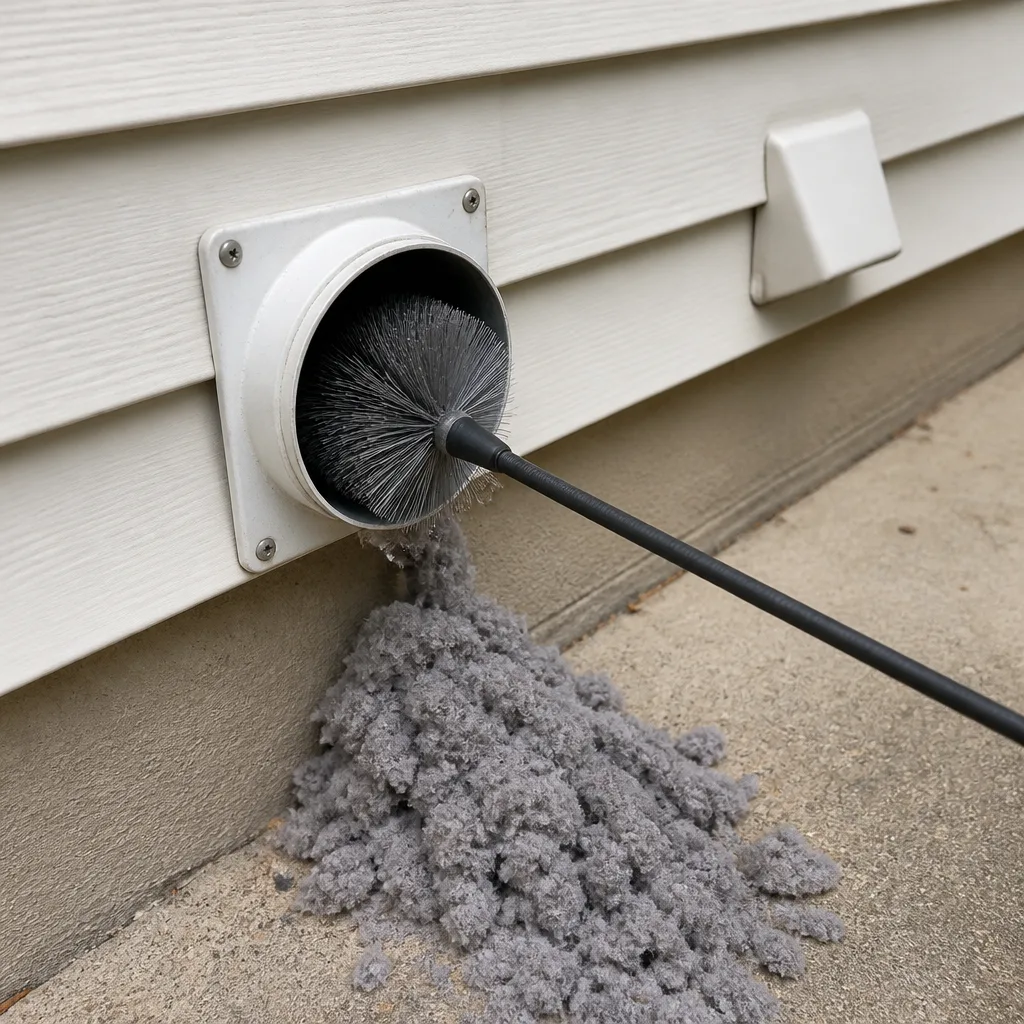
 Camera inspection
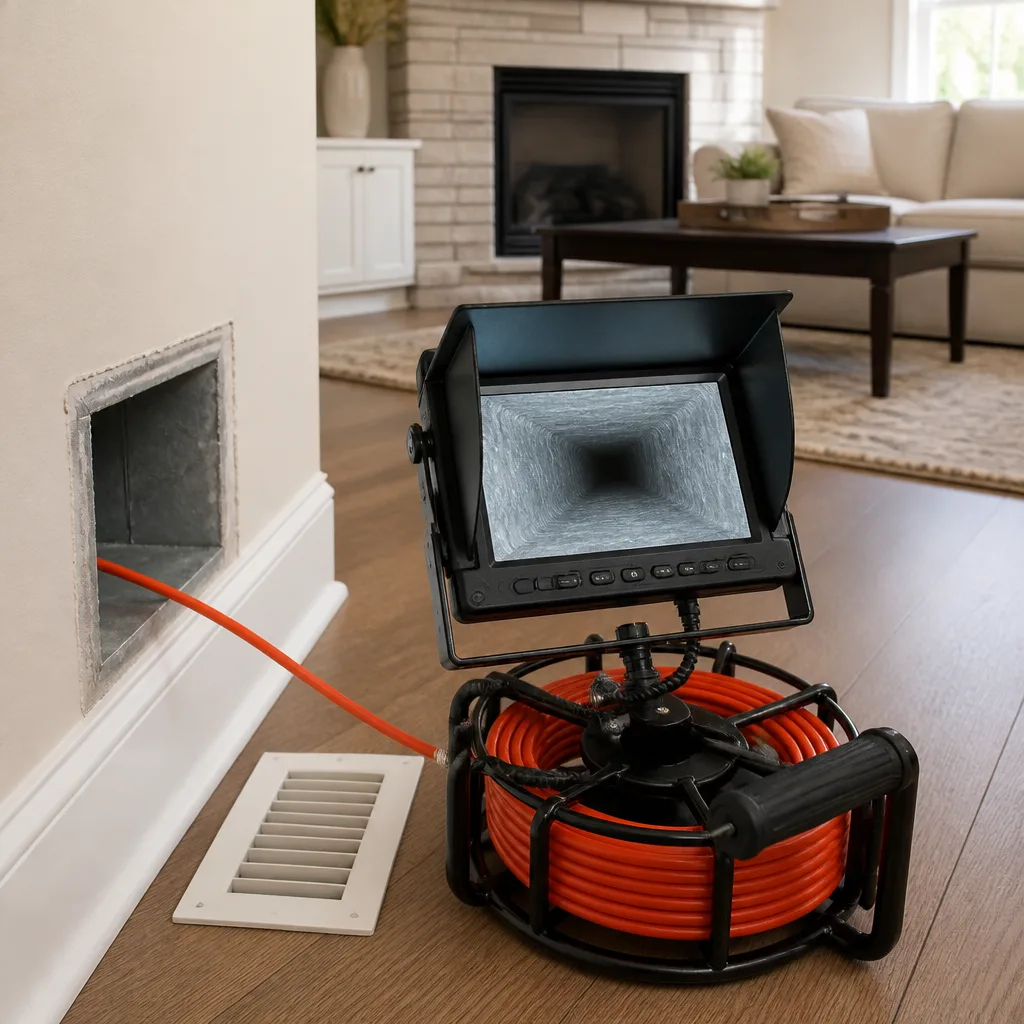
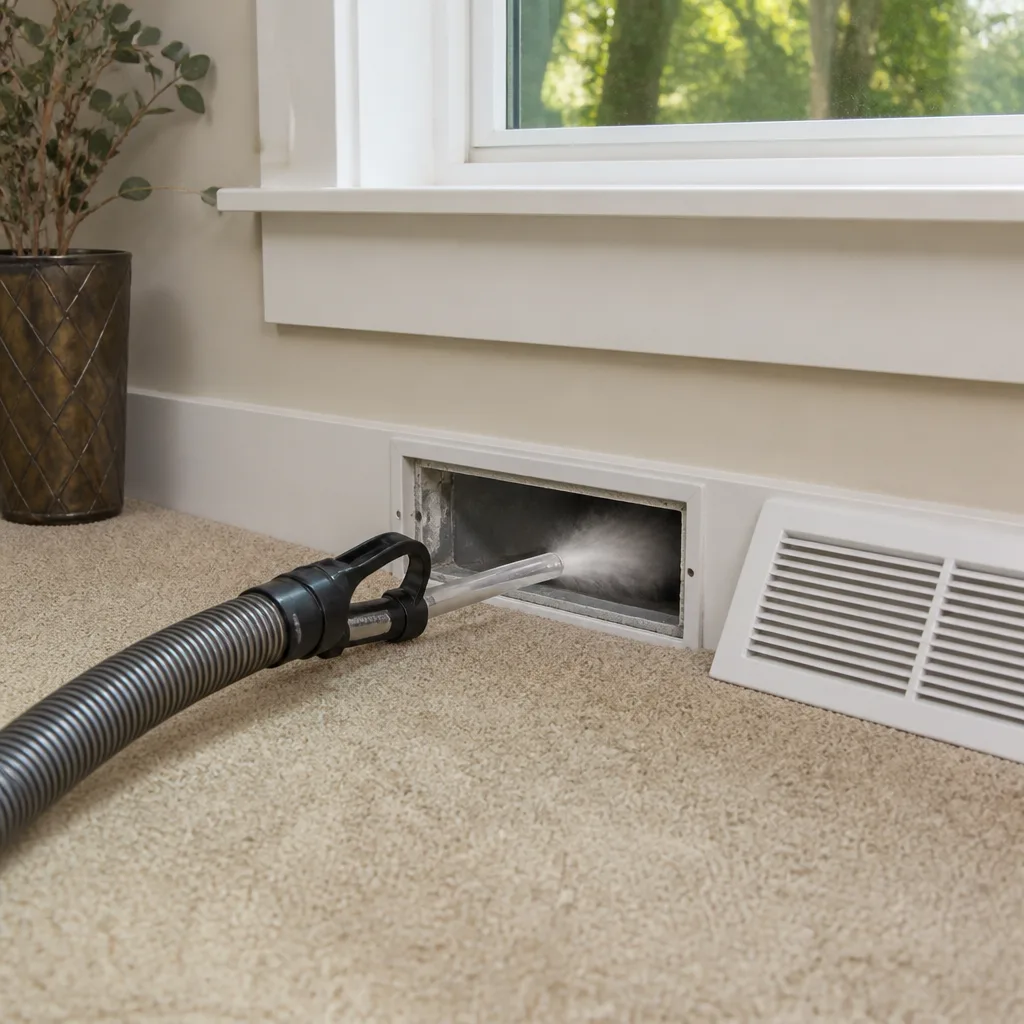 Sanitizing & deodorizing
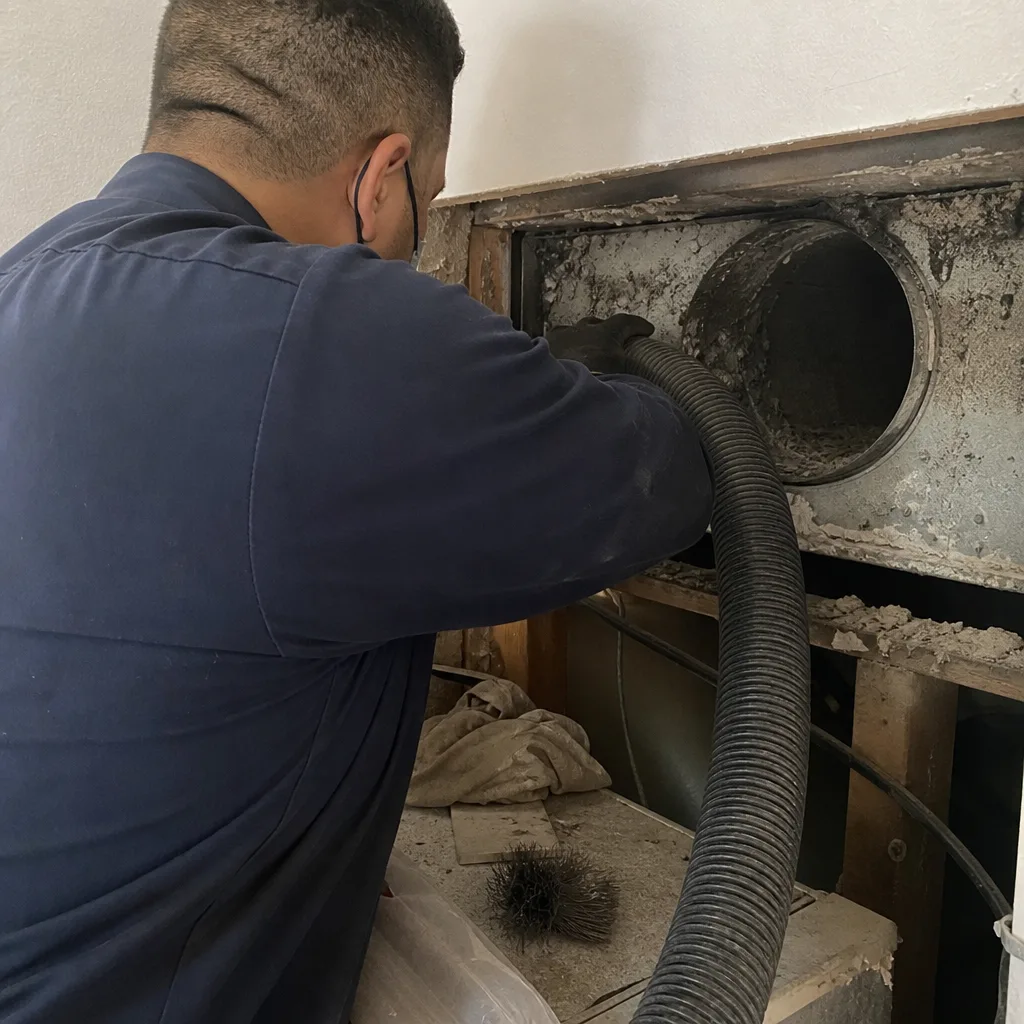
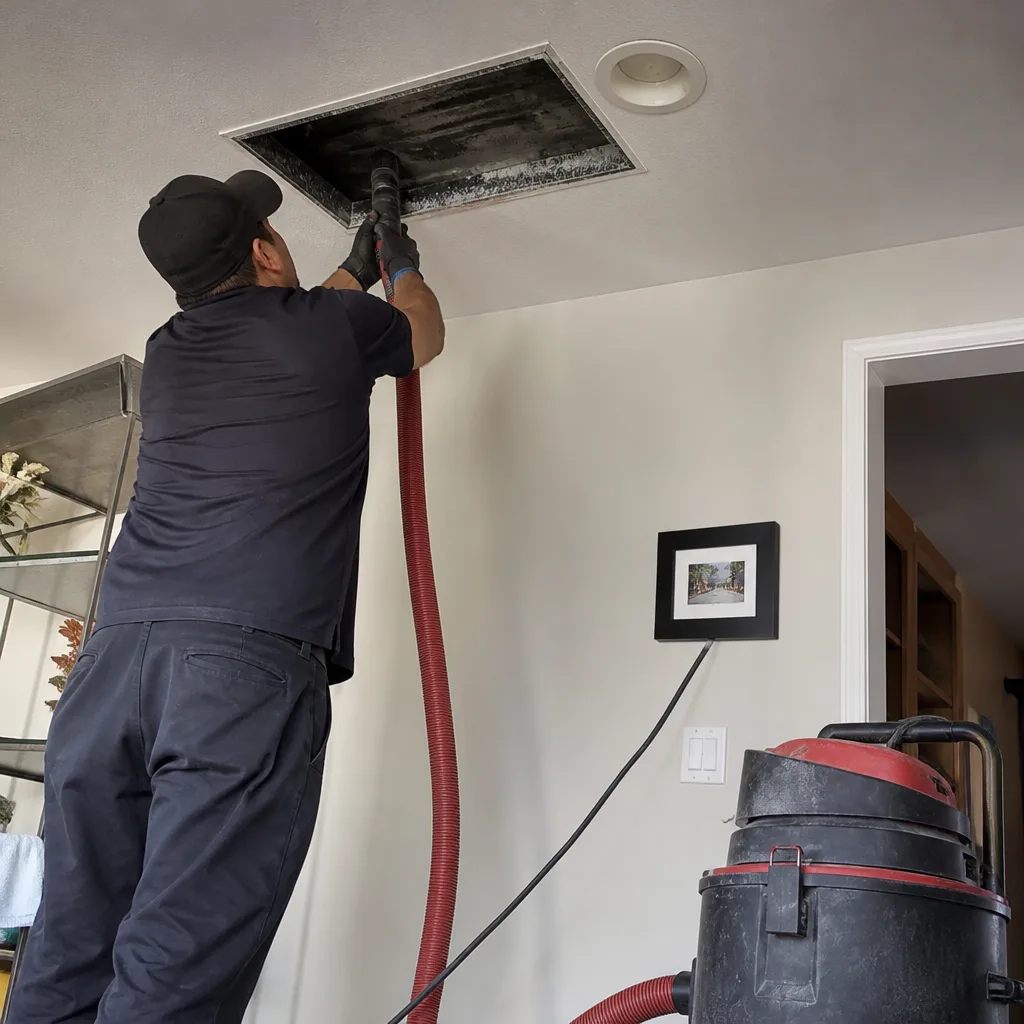
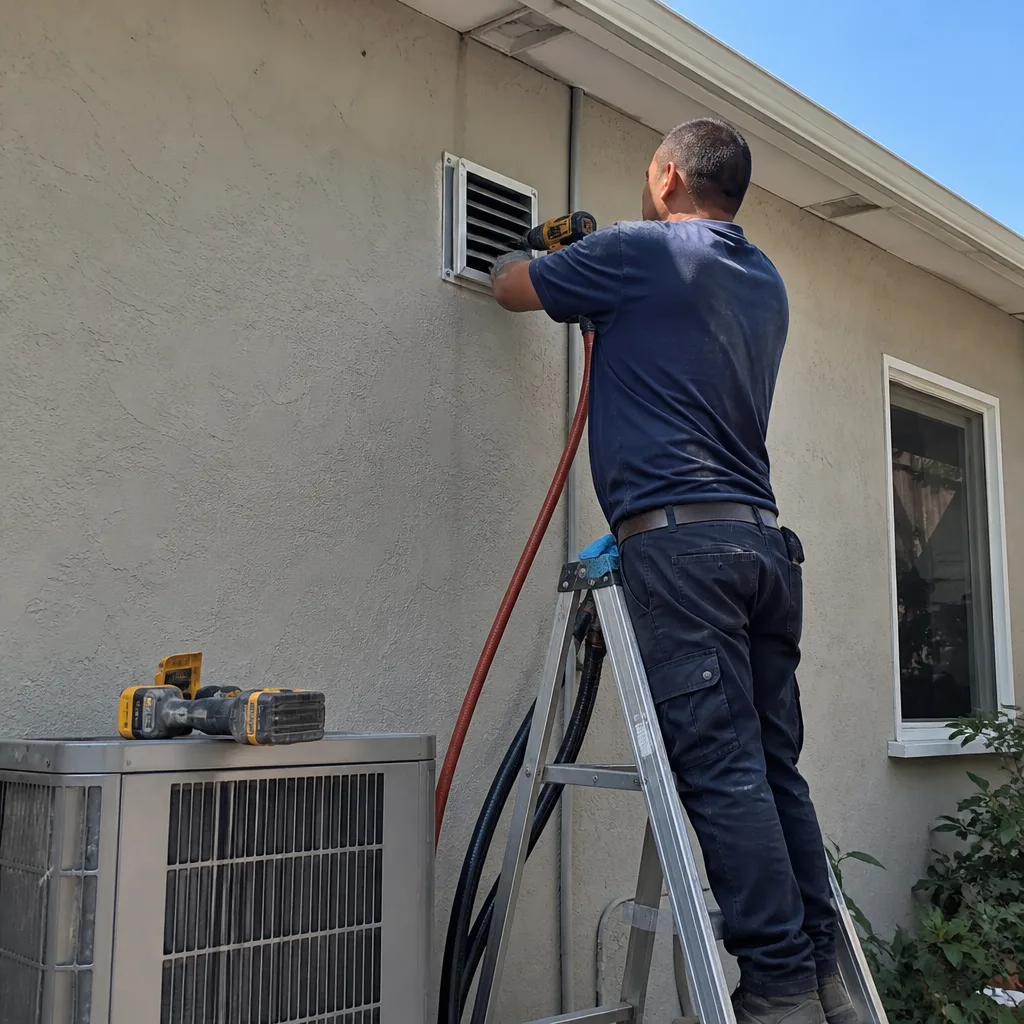
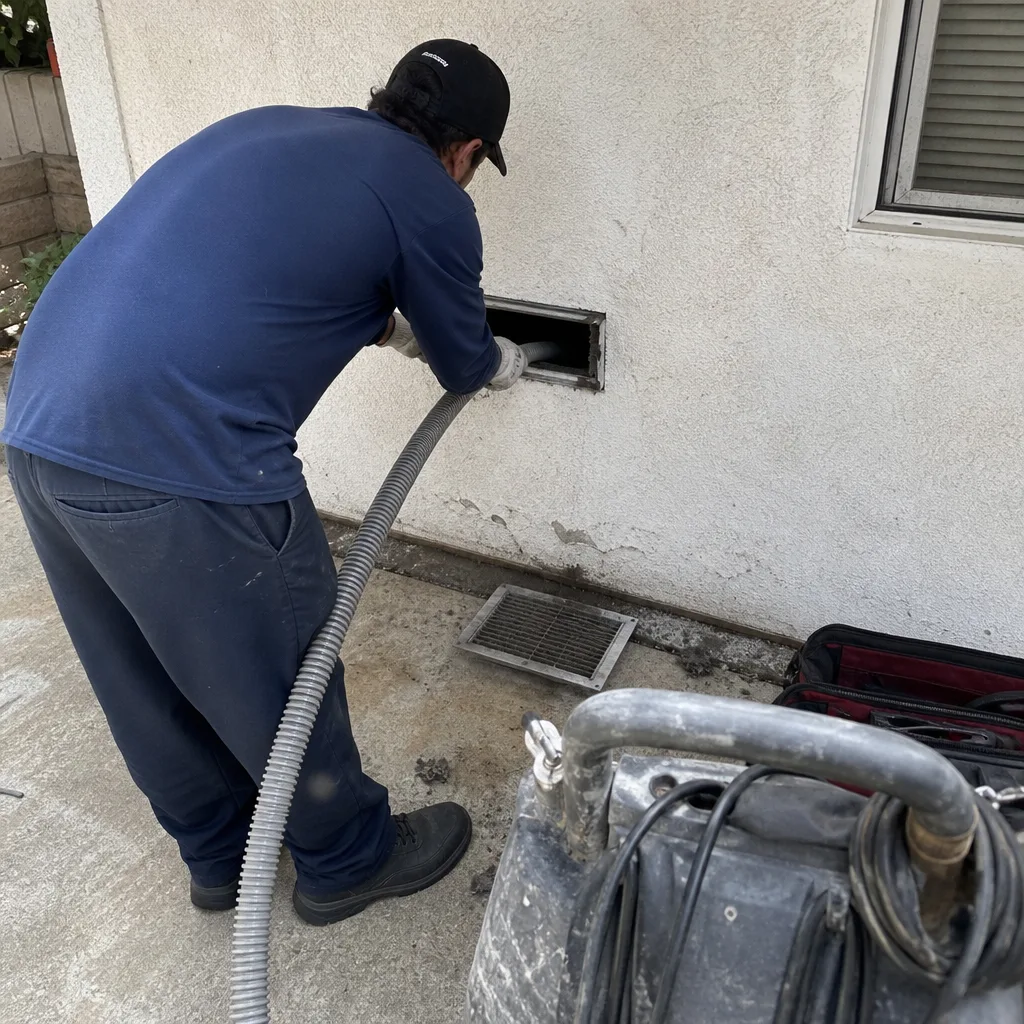
Whole-system duct and dryer vent check with before-and-after photos - you see exactly what came out of your vents
That "$99 whole-house special" is a bait ad - the real number appears once they are in your hallway, or the "clean" is a shop-vac at the register. We photograph the inside of your ducts before and after instead.
Air Duct Cleaning Permits, Codes & Inspections in CA: What You Need to Know
Here’s something that surprises most Downey homeowners: a standard air duct cleaning job, done right, requires no permit anywhere in California. But the same technician who shows up with a vacuum and a brush can cross into regulated territory the moment they start cutting access panels, replacing a section of rusted duct, or slathering mastic on a leaky seam. That work triggers California Mechanical Code requirements, and when it’s done without a permit, it becomes unpermitted work under state real estate law. We’ve seen homeowners discover this the hard way during escrow, when a sharp-eyed buyer’s inspector flags duct modifications that were never documented. This guide explains exactly where that line sits, what Downey’s building department expects, and how to keep your ductwork legal, safe, and defensible when you sell. For related reading, see our Air Duct Cleaning Warning Signs: A Downey Homeowner’s Reference Guide.
Quick Answer
Standard air duct cleaning in California requires no permit because it’s classified as maintenance, not modification. However, any work that changes the duct system – cutting access panels, replacing duct sections, rerouting runs, or applying sealants during a permitted renovation – falls under the California Mechanical Code and typically requires a building permit from your local jurisdiction, including Downey. The safest position for any homeowner is to have a licensed C-20 HVAC contractor do any work beyond cleaning, and to keep dated documentation of everything.
Styles & brands we work with
- Whole-home duct cleaning
- Dryer vent cleaning
- Camera inspection
- Sanitizing & deodorizing
Table of Contents
- What the California Mechanical Code Actually Says About Duct Work
- Where Cleaning Ends and Modification Begins: The Permit Threshold
- Title 24 and Duct Sealing: Why a Tube of Mastic Can Trigger Compliance
- Downey-Specific Permit Requirements for Duct Repair and Replacement
- The C-20 License Question: Why It Matters More Than the Permit
- Documenting Your Duct Work for Buyers, Inspectors, and Insurers
- Dryer Vent Codes in California: A Separate Set of Rules
- What a Duct Inspection in Downey Actually Looks At
- Common Mistakes to Avoid
- When to Call a Professional
- Frequently Asked Questions
What the California Mechanical Code Actually Says About Duct Work
The California Mechanical Code (CMC) sits inside Title 24 of the California Code of Regulations, and it’s the document that governs every air distribution system in the state. Here’s the core fact most homeowners never hear: the CMC treats cleaning and modification as entirely different activities. Cleaning falls under routine maintenance. Modification falls under construction. The two are not adjacent categories; there’s a legal wall between them.
The CMC’s requirements for duct systems are largely adopted from the International Mechanical Code with California amendments. What that means in practice is that any material change to a duct system – changing its dimensions, altering its routing, replacing sections, adding new runs, or changing the connection points – is considered an installation, not a repair. In Downey, as in every California city that enforces the state code, an installation requires a permit from the local building authority before the work begins.
But there’s a nuance worth understanding. The CMC allows certain repairs without a permit when the work restores a system to its original condition without altering its design or materials. A technician who reattaches a detached flex duct to a boot with a new zip tie and foil tape is performing a repair. A technician who cuts out a 4-foot section of crushed duct and splices in new material has performed a replacement, which triggers the permit conversation. The distinction hinges on whether the system’s physical configuration changed.
For homeowners in Downey, the practical takeaway is this: when you hire a duct company, ask how they categorize the work they’re proposing. If they use the word repair, ask whether they’re restoring existing materials or installing new ones. If it’s the latter, the job is likely permitable work, and a legitimate contractor should tell you that up front.
Where Cleaning Ends and Modification Begins: The Permit Threshold
Let’s get specific about the exact threshold, because this is the point where most confusion – and most regulatory trouble – originates.
A standard air duct cleaning job involves accessing the system through existing openings: the register boots, the return grille, the plenum. Tools go in. Debris comes out. The system’s physical configuration does not change. No permit is required because no construction has occurred. This is true whether the cleaning takes place in Downey, Sacramento, San Diego, or anywhere else in the state. Air duct cleaning in Downey is classified as maintenance, pure and simple.
The threshold is crossed when a technician must create or alter an access point that didn’t previously exist, or when materials are physically removed and replaced. Here’s the specific list that changes the category of work:
- Cutting a new access panel into the plenum or trunk line to reach a blockage that can’t be reached through existing openings. This is a material modification to the system’s enclosure.
- Removing and replacing any duct section – even a 12-inch collar – because the replacement changes the system’s configuration from its permitted original state.
- Rerouting any duct run, even if the new route is shorter and more efficient. The altered geometry means the system no longer matches its original design.
- Applying mastic or sealant to duct joints during a project that requires a permit for other reasons. This gets complicated under Title 24, which we’ll cover below.
- Installing a new register boot or moving an existing one, since this changes the air distribution pattern of the whole system.
Here’s the scenario we see repeatedly in Downey: a homeowner hires a company for Air Duct Cleaning services, the technician finds a crushed flex duct in the crawlspace, and offers to “take care of it” while they’re there. The technician splices in a new section, tapes it up, and charges a small fee on top of the cleaning. The homeowner gets a functioning duct. What they don’t get is a permit, an inspection, or documentation. Five years later, that splice shows up on a home inspection, and now there’s an unpermitted modification on the disclosure form. This is the exact situation that creates escrow complications.
Our advice to Downey homeowners is blunt: if the work involves cutting, replacing, or rerouting, it’s not cleaning anymore. Treat it as a permitable project and hire accordingly.
Title 24 and Duct Sealing: Why a Tube of Mastic Can Trigger Compliance
California’s Title 24 energy standards are the most stringent in the country, and they contain specific requirements for duct leakage that most homeowners – and a surprising number of contractors – don’t fully understand. Here’s the situation in plain terms.
Title 24 requires that duct systems in new construction and major renovations meet strict leakage-rate standards. When a duct system is part of a permitted project, the contractor must test the system for leakage and document that it falls below the prescribed threshold. The sealing materials themselves – mastic, foil tape, aerosol sealants – are not regulated in isolation. What’s regulated is the outcome: the system’s leakage rate.
Now here’s where it gets tricky. If a contractor applies mastic to your ducts during a permitted renovation, that duct system becomes part of the permitted scope of work. The leakage testing requirement attaches. If the contractor didn’t plan for testing, didn’t include it in the bid, and doesn’t have the equipment to perform it, the project can stall at inspection. In our experience with Downey homes built in the 1950s through the 1980s, we regularly see duct systems with 25% to 40% leakage at the joints. For help diagnosing these issues, see our Air Duct Cleaning Troubleshooting: Common Problems and How to Fix Them. Sealing those joints is a good idea. But doing it wrong – or doing it right without documentation – creates a compliance gap.
For air duct repair in Downey, the practical rule is this: any sealing work that’s part of a permitted renovation must be tested by someone who knows how to run a duct leakage test and document the results. If you’re sealing ducts as a standalone maintenance activity, no permit or test is required – but you should still document what was done and when.
Abatement Technologies equipment, the same category of gear used in environmental remediation, is what we use when contamination levels demand more than a standard cleaning pass. But even the best equipment doesn’t change the regulatory framework: if the work modifies the system, the code applies.
Downey-Specific Permit Requirements for Duct Repair and Replacement
Downey operates its own building department, and while it follows the California Mechanical Code, the city has its own permitting procedures, fees, and inspection schedules. Here’s what we know from working in the city.
For duct replacement – removing old duct runs and installing new ones – Downey requires a mechanical permit. The application process is straightforward: the contractor or homeowner files a permit application describing the scope of work, pays the fee based on project valuation, and schedules an inspection when the work is complete. The inspector verifies that the new ducts meet CMC installation standards, including proper support, insulation where required, and connection integrity.
For duct repair that involves replacing sections or reconfiguring runs, the same mechanical permit applies. Downey’s inspectors are particularly attentive to flex duct installations because improper flex duct work – kinked runs, excessive length, inadequate support – is one of the most common code violations in the region.
Here’s the part most homeowners miss: pulling the permit is not the hassle it’s imagined to be. The Downey permit counter is efficient for mechanical permits, and the inspection gives you a third-party verification that the work was done to code. That verification becomes valuable documentation when you sell the home. Unpermitted duct work, by contrast, becomes a liability on the disclosure statement.
If you’re hiring a contractor for duct replacement in Downey, confirm that they’ll pull the permit under their name and contractor’s license. A contractor who suggests you pull the permit as a homeowner to “save money” is shifting liability onto you – and in some cases, that arrangement means the contractor isn’t properly licensed for the work.
The C-20 License Question: Why It Matters More Than the Permit
California’s contractor licensing system assigns specific classifications to specific trades. HVAC work – which includes duct installation, modification, and replacement – requires a C-20 Warm-Air Heating, Ventilating and Air-Conditioning Contractor license. A general business license is not sufficient. A C-61 specialty license is not sufficient for duct replacement. The classification matters because it’s the state’s way of verifying that the person doing the work has demonstrated the technical knowledge required by the California Contractors State License Board.
Here’s the uncomfortable reality in the duct cleaning industry: many companies that offer cleaning and replacement don’t hold a C-20 license. They operate under a general business license, and they perform replacement work that requires a contractor’s classification they don’t possess. When we say “we clean it, we repair it, we improve it,” that’s not a slogan – it’s a statement about doing the whole job within the legal framework that governs each part of it.
For Downey homeowners, the license question should be settled before the cleaning question. Ask the company: do you hold a C-20 license? If they don’t, and they’re offering to replace duct sections, they’re offering to perform work for which they’re not legally authorized in California. That exposes you to liability if the work fails, and it almost certainly means the work won’t be permitted or inspected.
This is also where equipment matters as a trust signal. Rotobrush and Nikro systems are professional-grade tools designed for full-system duct cleaning, not residential workarounds. A company that invests in this equipment has typically invested in the licensing and training that goes with it, because the equipment is useless without the knowledge to use it correctly. The same tools used in remediation environments, brought to your home, signal something about the operator’s standard of care.
Documenting Your Duct Work for Buyers, Inspectors, and Insurers
California law requires sellers to disclose known material facts about their property, and unpermitted work is a material fact. But here’s the thing: even permitted work creates disclosure questions if you can’t document it. The solution is to build a maintenance file for your duct system the same way you keep records for your roof or your water heater.
Here’s the documentation protocol we recommend for every Downey homeowner:
- Keep the dated invoice from every cleaning or repair. The invoice should list the scope of work, the equipment used, and the technician’s name. A vague invoice that says “duct service” is not documentation; it’s a receipt for something unspecified.
- Request before-and-after photos. Any company using professional equipment – Rotobrush and Nikro systems, in our case – can provide internal photos of the ducts before and after cleaning. These photos become evidence of system condition at a specific date, which is valuable for insurance claims and resale disclosures.
- Retain permit documents and inspection sign-offs. If you had duct replacement or repair done with a permit, keep the permit number, the inspector’s approval, and the contractor’s license information in the same file. This is the documentation that resolves disclosure questions before they become escrow problems.
- Note any sealant or repair work separately. If mastic was applied, sections were replaced, or access panels were cut, that information needs to be on the invoice. It’s the difference between “cleaned” and “modified” in a disclosure review.
- Keep dryer vent cleaning in Downey records separate but parallel. Dryer vents are a fire hazard, and insurers increasingly ask about vent maintenance history when they underwrite homeowners policies. Documented annual cleaning is a defensible answer.
Dryer Vent Codes in California: A Separate Set of Rules
Dryer vents have their own code requirements, and they’re stricter than most homeowners realize. The California Mechanical Code sets specific standards for dryer exhaust systems that address the fire risk associated with lint accumulation.
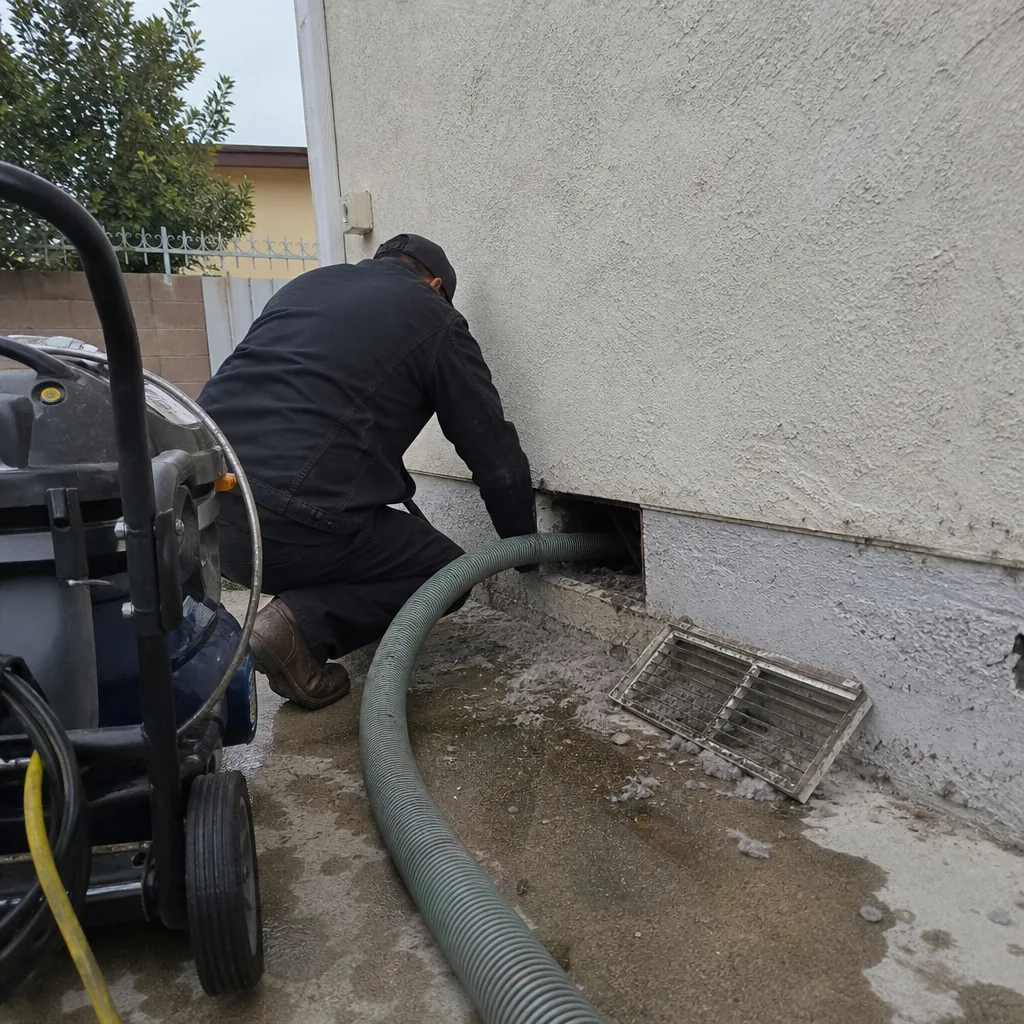
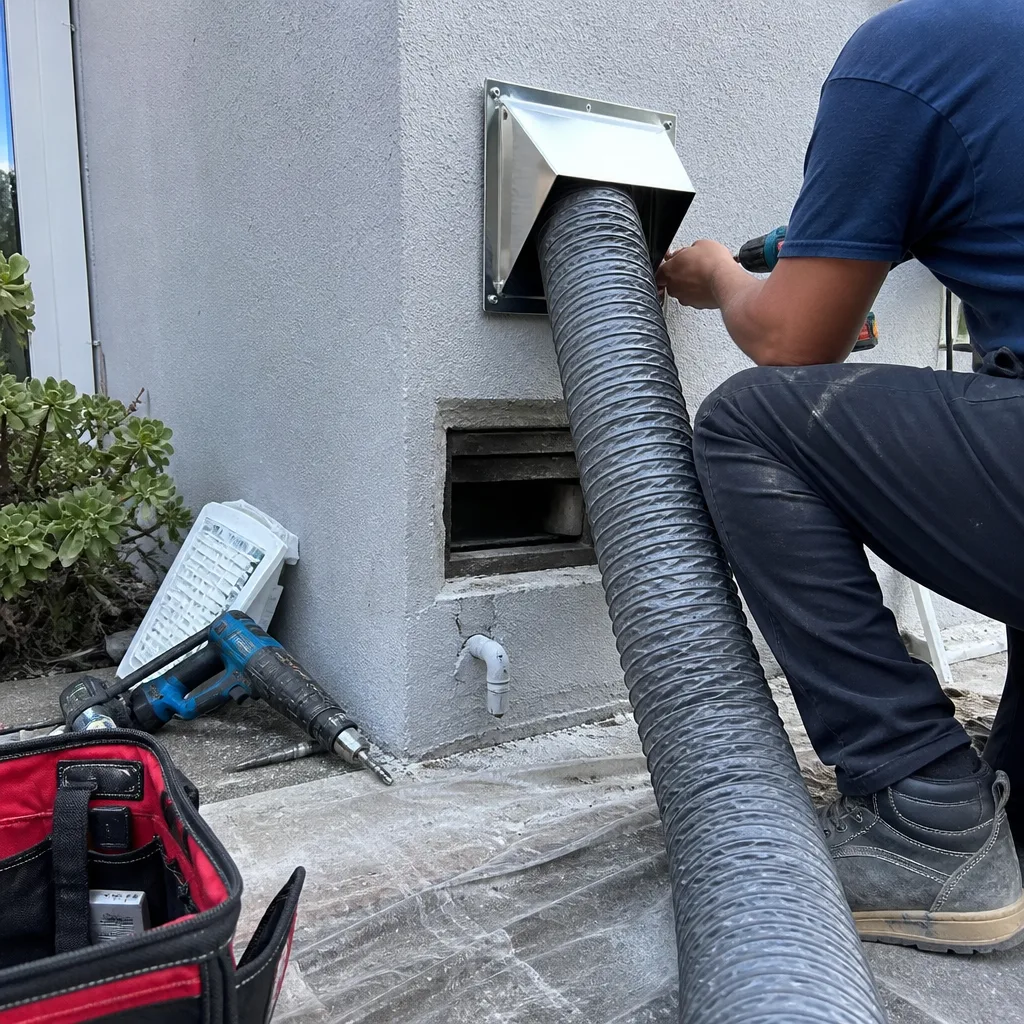
The key requirements: dryer ducts must be metal, not the white plastic or foil flex that was common in older homes. The maximum length of a dryer duct run is 35 feet, with reductions for each bend (typically 5 feet per 90-degree elbow). The termination must be to the exterior, never into an attic, crawlspace, or garage. And the termination must have a backdraft damper that prevents outside air from flowing back into the system.
Many Downey homes were built before these requirements were in place, which means their dryer vents are out of compliance by design rather than by neglect. A home built in 1965 with a plastic flex vent running 50 feet through the crawlspace is a code violation waiting to be discovered – or a fire waiting to happen. Guardsman-grade cleaning standards applied to residential ductwork is our baseline, but the dryer vent conversation is fundamentally about fire safety, not air quality.
If your dryer vent doesn’t meet current code, the compliance question is whether you’re required to upgrade it. The general answer: if you’re not doing other work in the area, you’re not required to bring the vent up to code. But if you’re renovating, adding an addition, or replacing the dryer itself, the city inspector can require the vent to be brought into compliance. Given the fire stakes, most reputable companies recommend upgrading at the point of service.
What a Duct Inspection in Downey Actually Looks At
When Downey’s building inspector reviews duct work, they’re not looking at cleanliness. They’re looking at installation quality and code compliance. Here’s what’s on their checklist:
- Material compliance: Are the ducts the right material for their location? The CMC has specific rules about sheet metal versus flex duct, and about which materials are allowed in unconditioned spaces.
- Support: Are the ducts properly supported? Sagging runs are a code violation because they restrict airflow and create failure points at the connections.
- Connection integrity: Are the joints properly sealed and fastened? Loose connections leak conditioned air and admit unconditioned air, which defeats the system’s efficiency.
- Insulation: Are the ducts insulated where required? Uninsulated ducts in unconditioned spaces sweat, rust, and waste energy – all of which are code and performance violations.
- Clearance: Are the ducts properly distanced from combustible materials? This is a fire safety requirement that’s frequently missed in retrofit work.
The inspector is not evaluating whether the ducts are clean. That’s because cleanliness is not a code requirement – it’s a maintenance and indoor air quality issue. We clean with purpose-built Rotobrush and Nikro equipment because we believe the ducts should be clean to the same standard whether or not the city inspects for it. But the city’s inspection serves a different function: it verifies that the system is safe and functional. Both matter, but only one requires a permit.
Common Mistakes to Avoid
- Assuming “cleaning included repair” in the invoice covered permit requirements. If the work modified the system, it’s permitable regardless of what the invoice called it. The invoice language doesn’t change the legal classification of the work.
- Hiring an unlicensed handyman to replace duct sections. In California, duct replacement requires a C-20 license. A handyman who does the work is operating outside the law, and you’re exposed if the work fails or causes a fire.
- Applying duct sealant during a permitted renovation without planning for leakage testing. Title 24 compliance attaches the moment the ducts enter the permitted scope. If testing isn’t budgeted, the project stalls at inspection.
- Failing to document cleaning and repair work for resale. Buyers’ inspectors find evidence of duct work. If you can’t produce documentation, you’re defending an unknown position during negotiation.
- Ignoring dryer vent compliance until the dryer dies. Most replacement dryers trigger a vent inspection, and the inspector can require a code-compliant vent upgrade before the new appliance is signed off. Plan for the vent upgrade when you plan for the dryer.
- Trusting a company that can’t show you the inside of your ducts. Professional equipment like Nikro and Rotobrush systems is designed for documentation. If a company can’t show you before-and-after photos, you have no way to verify the work was actually done.
- Assuming Downey’s permit process is too expensive or slow to bother with. Mechanical permits in Downey are among the most straightforward in Los Angeles County, and the inspection provides third-party verification you can’t get any other way.
When to Call a Professional
Some situations are clear calls for professional help. If your duct work includes any modification – access panels cut, sections replaced, runs rerouted – that’s a C-20 contractor’s job with a permit. If your home was built before 1985 and you’ve never had the ducts inspected, there’s a real chance your system contains materials or configurations that predate current code. If your dryer vent is a white plastic flex run, that’s a fire hazard that should be addressed now, not later. And if you’re preparing to sell your Downey home, documenting that your duct system has been professionally cleaned and properly maintained is one of the cheapest disclosure protections available. Duct cleaning in Downey is our home base, and we offer free estimates for homeowners who want a straight answer about what their duct system needs. Call (855) 382-4683 to schedule one.
Frequently Asked Questions
No. Standard air duct cleaning is classified as maintenance under the California Mechanical Code, and no permit is required anywhere in the state, including Downey. The permit requirement only applies when the work modifies the system, such as cutting access panels, replacing duct sections, or rerouting runs.
Any work that changes the physical configuration of the duct system qualifies as modification. This includes cutting new access points, removing and replacing duct sections, changing duct routing, moving register boots, and applying sealants during a permitted renovation. Restoration of existing materials to their original condition is generally classified as repair, not modification.
Standalone duct sealing as a maintenance activity does not require a permit in most cases. However, when duct sealing is performed as part of a permitted renovation, the system becomes subject to Title 24 energy compliance requirements, including duct leakage testing. The sealing itself triggers compliance obligations when the ducts are within the permitted scope of work.
Duct replacement requires a C-20 Warm-Air Heating, Ventilating and Air-Conditioning Contractor license issued by the California Contractors State License Board. A general business license is not sufficient for duct modification or replacement work. If a duct cleaning company offers replacement services without a C-20 license, they’re offering work they’re not legally authorized to perform.
Keep dated invoices that specify the scope of work, before-and-after photos from each cleaning, permit documents and inspection sign-offs for any modification work, and separate records for dryer vent maintenance. This documentation answers disclosure questions before they become escrow problems and protects your negotiating position during a sale.
Yes. Dryer vents have their own code requirements under the California Mechanical Code, including metal duct material, maximum length limits with reductions for bends, and exterior termination requirements. When a Downey building inspector reviews dryer vent work, they’re checking for fire safety compliance, not air quality performance.
The Bottom Line
Air duct cleaning in California exists in a simpler regulatory space than most homeowners assume: no permit, no inspection, no license beyond basic business authorization. But the simplicity evaporates the moment work shifts from maintenance to modification. Replacement, rerouting, access cutting – all of it requires a C-20 contractor, a Downey mechanical permit, and a building inspection. The homeowners who get into trouble are almost always the ones who let a cleaning visit turn into an undocumented modification. Know where the line sits, document everything, and hire a company that treats the distinction as seriously as you should. For more guides & resources, visit our blog. In Downey, that conversation starts with a phone call to (855) 382-4683.
Written by the team at Duct Cleaning Downey, serving Downey since 2017.
See the difference
 Before
 After
 Before
 After
 Before
 After